
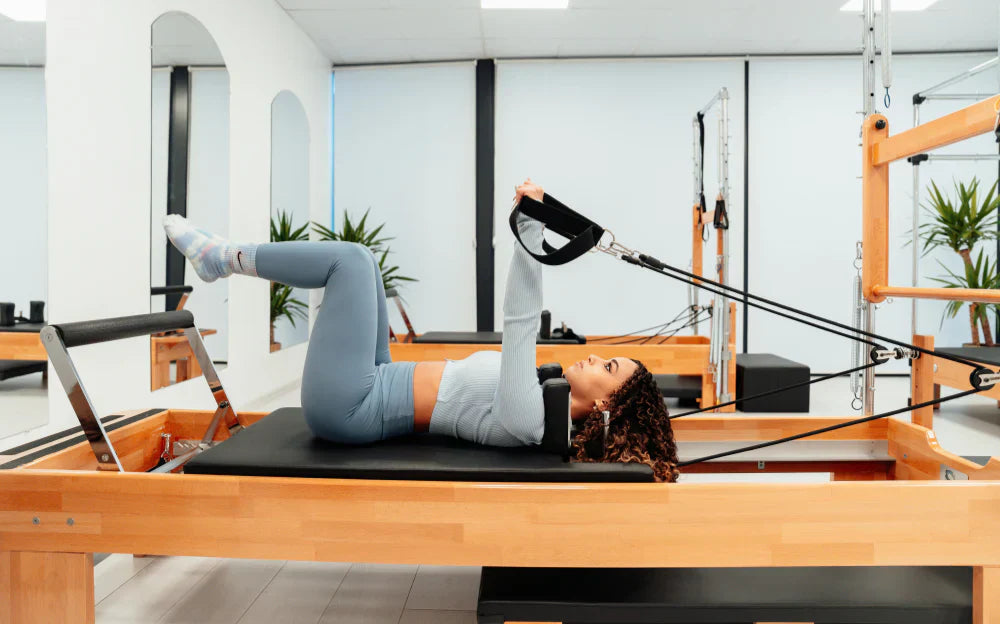
When was the first time you heard about Pilates? While it may seem like a modern fitness trend, this unique form of exercise was actually developed in the early 20th century by Joseph Pilates. Born in 1883, Joseph believed that modern lifestyles, poor posture, and inefficient breathing were the root causes of ill-health. To combat these issues, he designed a revolutionary series of techniques, which we now define as Pilates.
Now that we’ve explored the origins of this low-impact movement, let’s dive into what benefits it brings and how you can get started the right way.
2. What Can Pilates Do for Your Body: 5 Benefits
2.1 Build Core Strength
Pilates targets deep core muscles that are essential for stability and proper movement. Research shows it is as effective as other structured exercises—and more effective than little or no exercise—for improving core muscle strength. These improvements are linked to better muscle activation and increased muscle thickness, key indicators of a stronger core. By emphasizing controlled movements, Pilates helps build a stable foundation and supports long-term spinal health, especially for people with low back pain.
2.2 Enhances Posture and Alignment
Pilates emphasizes proper alignment, controlled movement, and balanced muscle engagement—key foundations of good posture. A systematic review of 13 studies involving 783 participants found that Pilates significantly benefits individuals with postural disorders. It suggests Pilates can be widely used as an effective complementary therapy to improve posture and overall alignment.
2.3 Builds Flexibility and Mobility

Pilates has been shown to improve flexibility significantly through consistent, low-intensity training. A 12-week study, which involved 50 participants, found that those practicing basic mat Pilates twice a week experienced notable gains in hamstring flexibility and abdominal endurance. These findings suggest Pilates is an effective and accessible way to enhance flexibility and functional mobility without specialized equipment.
2.4 Supports Injury Prevention and Recovery
Pilates uses slow, controlled movements that strengthen stabilizing muscles without placing excessive stress on the joints. A scoping review of clinical studies found that structured Pilates programs consistently improved outcomes in patients with musculoskeletal disorders. Is Pilates good for back pain? Research suggests that they can be an effective intervention for people living with chronic low back pain.
2.5 Improves Mental Health
Pilates emphasizes controlled breathing, precise movements, and focused attention, helping you become more aware of your body. Observational studies show that regular Pilates practice can reduce anxiety, depression, and stress, helping practitioners feel calmer and more focused. To relieve stress and regain peace of mind, you can perform light to moderate intensity Pilates.
3. Tips for Success
3.1 Prioritize Form Over Speed
In Pilates, how you move is more important than how many reps you do. Slow down each movement to ensure you are engaging the correct muscles. If you feel your lower back arching or your neck straining, stop, reset, and focus on your alignment.
3.2 Master the Pilates Breath
Unlike the belly breathing used in some yoga styles, Pilates uses lateral thoracic breathing (breathing into your ribcage). Practicing this throughout the day will help you maintain core engagement during your actual workout.
3.3 Listen to Your Body
Consistency is key, but so is recovery. While you should feel a deep burn in your muscles, you should never feel sharp pain. If a move feels wrong, use a modification or simply stop until your strength catches up to the exercise.
3.4 Consult a Doctor First
Pilates is beneficial for some injuries, but it is still essential to consult your doctor if you have any previous diseases and want to get into a new fitness routine.
3.5 Leverage Tools
Most Pilates can be performed on a mat. If you want to replicate the resistance of a studio reformer at home, however, consider investing in a Pilates home equipment like Tousains 3 in 1 rowing machine.

Though not defined as a traditional Pilates machine, its smooth resistance system can mimic the pull-and-stretch of a reformer. Shop at the Tousains sales today and get the best savings for your offer!
4. Final Thoughts
Pilates is more than a workout; it is a long-term investment in how your body moves and ages. By prioritizing precision and core stability, you’re building a foundation that protects your spine and enhances your quality of life.
Whether you are using a simple mat or upgrading your home gym with versatile Pilates home equipment like the Tousains 3 in 1 rowing machine, or Pilates reformers, the goal remains the same: a more balanced, resilient you.
Remember that progress in Pilates is measured by how much better you feel in your daily life. Start slow, stay consistent, and listen to your body. With time, these small, controlled movements will lead to significant and lasting transformations in both your physical and mental health.
5. FAQ
5.1 Is Pilates only for women?
Absolutely not. In fact, it was created by a man, Joseph Pilates, primarily for rehabilitation and athletic conditioning. It is a gender-neutral practice designed for anyone with a human body.
5.2 Does Pilates help you lose weight?
Yes, but perhaps not in the way you expect. While it burns fewer calories than high-intensity workouts, it improves your posture and muscle tone. You will often look leaner and longer even before the scale changes. And always remember, weight loss happens when there’s a calorie deficit, rather than how hard you work out.
5.3 How often should I do Pilates?
Suppose you’re just getting started? Once a week would be a great beginning. After some time, you can do it 2 to 4 times a week.
5.4 Is Pilates cardio or strength?
Pilates is classified as strength and resistance training. It uses your own body weight (or springs on a machine) to create tension. While some Pilates classes can get your heart rate up, they are not a replacement for traditional aerobic cardio like cycling or rowing. For a combination of cardio and strength, choose the Tousains 3 in 1 rowing machine for cardio and Pilates so that you can enjoy the benefits of both!

